Introduction to Minimalist Architecture Design
Minimalist architecture design is a style that emphasizes simplicity and the reduction of unnecessary elements in buildings. The key characteristics of this architectural approach include clean lines, open spaces, and a focus on functionality. By stripping away the superfluous, minimalist design seeks to create environments that are both aesthetically pleasing and highly functional. Historically, minimalist architecture emerged in the mid-20th century, influenced by movements such as modernism and the Bauhaus.
Its roots can be traced back to the desire to move away from ornate designs that characterized previous architectural styles. The significance of simplicity in minimalist design cannot be overstated; it creates a sense of tranquility and clarity, allowing occupants to engage more fully with their surroundings.
Key Principles of Minimalist Architecture, Minimalist architecture design
The fundamental principles of minimalist architecture center around the ideas of simplicity, functionality, and the harmony between form and space. These principles can be summarized as follows:
- Less is More: This principle advocates for the elimination of excess and the focus on essential elements.
- Functional Spaces: Each component of a minimalist design serves a purpose, ensuring that spaces are practical and efficient.
- Natural Light: Maximizing natural light contributes to the overall ambiance and energy efficiency of the structure.
Examples of buildings that exemplify these principles include the Barcelona Pavilion by Mies van der Rohe, known for its simple geometric forms and open spaces, and the Glass House by Philip Johnson, which demonstrates the seamless integration of indoor and outdoor spaces. These principles not only enhance the visual aesthetic but also improve the functionality of the buildings.
Materials and Techniques in Minimalist Design
Common materials used in minimalist architecture often include concrete, glass, and steel. These materials can be combined to create structures that are both robust and visually striking. The use of natural elements, such as wood or stone, can help to soften the starkness often associated with minimalism, creating a more inviting atmosphere.Techniques for blending natural elements with minimalist structures involve careful placement and selection of materials.
For instance, large windows can bring in natural light and connect indoor spaces with the outdoors. An organized list of innovative building techniques that emphasize minimalism includes:
- Prefabrication: This method allows for efficiency and precision, reducing waste during the building process.
- Modular Design: Modular components can be assembled in various configurations, promoting flexibility in living spaces.
- Green Roofs: Incorporating living roofs adds a natural element to buildings while enhancing insulation and biodiversity.
Impact of Minimalist Architecture on Interior Design
The principles of minimalist architecture significantly influence interior design. Open floor plans and uncluttered spaces create an environment that promotes relaxation and mindfulness. Color palettes commonly used in minimalist interiors typically feature neutral tones like whites, grays, and earth tones. This choice of colors enhances the feeling of spaciousness and tranquility within a space. Furnishings and decor that complement minimalist architecture often consist of sleek, functional designs.
Essential pieces like low-profile sofas, simple coffee tables, and built-in storage solutions contribute to a cohesive and harmonious interior that reflects the minimalist ethos.
Sustainability in Minimalist Architecture
Minimalism and sustainable building practices share a close relationship, as both emphasize the importance of efficiency and conscious design. Minimalist designs often utilize fewer resources and focus on energy efficiency, making them more environmentally friendly compared to traditional architectural styles.In terms of energy efficiency, minimalist designs can outperform traditional structures due to their strategic use of natural light and materials that provide insulation.
Strategies for incorporating eco-friendly elements into minimalist structures include the use of reclaimed materials, energy-efficient appliances, and passive solar design, which can significantly reduce the environmental impact of new buildings.
Challenges and Criticisms of Minimalist Architecture
Common challenges faced by architects when designing minimalist buildings include achieving the balance between simplicity and functionality. Designing spaces that are both minimal and livable can be difficult, as excessive minimalism may lead to feelings of emptiness or discomfort.Criticisms related to functionality and livability in minimalist spaces often arise. For instance, while minimalist designs emphasize open spaces, they can sometimes lack adequate storage solutions, leading to clutter.
Architects have addressed these challenges by integrating smart storage solutions and multifunctional furniture into their designs, proving that minimalist spaces can be both stylish and highly functional.
Future Trends in Minimalist Architecture
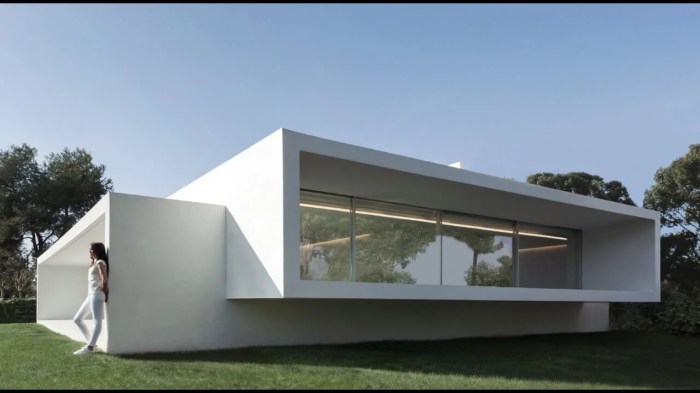
Emerging trends in minimalist architecture suggest a growing emphasis on biophilic design, which integrates natural elements into living spaces to enhance well-being. The next decade may see an increase in the use of sustainable materials and practices, responding to the global focus on environmental responsibility.Technological advancements, such as smart home systems and energy-efficient building materials, may also influence minimalist design.
These innovations can enhance the usability and functionality of minimalist structures without compromising their aesthetic appeal.Areas where minimalist design can evolve for better usability include the integration of adaptive spaces that can change according to the needs of the occupants, allowing for a more personalized experience within minimalist environments.