Introduction to Green Building Architecture
Green building architecture refers to the design and construction of buildings that prioritize sustainability, efficiency, and minimal environmental impact. These structures are crafted with a focus on energy use, water consumption, and resource management, ensuring that both the construction process and the building’s lifecycle are environmentally friendly. The journey of green building practices can be traced back to ancient civilizations, where natural materials were utilized for shelter.
Over the years, as urbanization accelerated, the need for sustainable practices became critical. In the 20th century, the environmental movement sparked a renewed focus on eco-friendly building, leading to the establishment of various sustainability standards and certifications.Sustainability is at the heart of modern architecture; it not only addresses environmental concerns but also promotes social responsibility and economic viability. As climate change poses significant challenges, integrating sustainability into architecture is essential for creating resilient communities and preserving resources for future generations.
Key Principles of Green Building
Understanding the core principles of green building helps in creating structures that are not only eco-friendly but also enhance the quality of life for their occupants. The key principles include:
- Energy Efficiency: Emphasizing the reduction of energy consumption through innovative design, efficient systems, and renewable energy sources.
- Water Conservation: Implementing systems to minimize water usage and promote recycling of water resources.
- Material Sustainability: Choosing materials that are sustainable, recycled, or sourced locally to reduce the building’s carbon footprint.
- Indoor Environmental Quality: Ensuring that indoor spaces are healthy, comfortable, and promote well-being.
Energy efficiency plays a pivotal role in sustainable architecture by decreasing dependency on non-renewable resources. By utilizing technologies such as solar panels and high-efficiency HVAC systems, buildings can significantly lower their energy usage, reducing operational costs and their overall environmental impact.Material selection is another critical aspect of green building design. The right materials not only contribute to the environmental sustainability of a project but also enhance the durability and aesthetic appeal of a building.
Using sustainably sourced materials reduces waste and supports local economies.
Benefits of Green Building Architecture
The benefits of green building architecture extend far beyond aesthetics; they encompass environmental, economic, and social dimensions.
- Environmental Benefits: Green buildings reduce greenhouse gas emissions, conserve water, and improve air quality, playing a crucial part in combating climate change.
- Economic Advantages: Investing in green architecture often results in lower operating costs, increased property values, and potential tax incentives or rebates.
- Social Impact: Sustainable buildings contribute to healthier communities by promoting well-being and providing a better quality of life for residents.
Green buildings also foster a sense of community by creating spaces that encourage interaction and collaboration among occupants, leading to enhanced social cohesion.
Design Strategies for Green Buildings
Effective design strategies are essential for maximizing the benefits of green architecture. Here are some notable approaches:
- Passive Solar Design: Utilizing natural sunlight for heating and lighting, which can significantly reduce energy consumption. For instance, strategically placing windows and using thermal mass materials can enhance natural heating and cooling.
- Landscaping and Site Planning: Thoughtful landscaping can help manage stormwater, reduce heat islands, and promote biodiversity. Native plants are often chosen for their resilience and minimal water needs.
- Efficient Space Utilization: Designing flexible, multifunctional spaces reduces the need for additional buildings and resources.
By incorporating these strategies, architects and builders can create environments that not only meet the needs of occupants but also align with sustainability goals.
Green Building Materials
A variety of sustainable materials are commonly used in green architecture to minimize environmental impact:
- Sustainable Wood: Sourced from responsibly managed forests, sustainable wood is a renewable resource that contributes to carbon sequestration.
- Recycled Materials: Utilizing materials that have been reclaimed or recycled reduces waste and the demand for new resources.
- Low-VOC Products: These materials minimize harmful emissions, improving indoor air quality and occupant health.
Understanding the lifecycle of materials is crucial for sustainability. Choosing materials with a lower environmental impact throughout their lifecycle—from extraction to disposal—ensures a more responsible approach to building.
Certification and Standards, Green building architecture
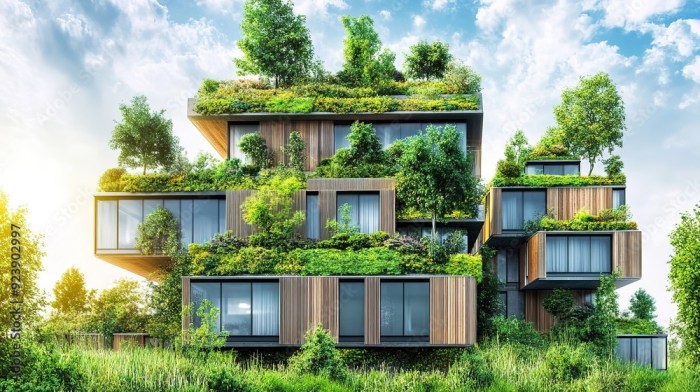
Various green building certification programs exist to promote and recognize sustainable practices. Prominent examples include:
- LEED (Leadership in Energy and Environmental Design): A widely recognized certification that evaluates a building’s performance in areas like energy efficiency, water usage, and indoor environmental quality.
- BREEAM (Building Research Establishment Environmental Assessment Method): A UK-based standard that assesses the sustainability of buildings through a comprehensive framework.
Obtaining these certifications involves meeting specific criteria and undergoing a thorough evaluation process, ensuring that buildings adhere to established sustainability standards. Global standards for sustainable architecture are evolving, reflecting the increasing importance of environmental responsibility in building practices.
Case Studies of Green Building Projects
Examining notable green building projects provides valuable insights into innovative practices and technologies. Examples include:
- The Edge, Amsterdam: Known for its energy-efficient design, The Edge boasts cutting-edge technology, including a solar panel roof and smart lighting systems that adapt to occupancy.
- One Central Park, Sydney: This project features extensive green roofs and vertical gardens, integrating nature into urban living and promoting biodiversity.
These projects highlight the innovative features that can be integrated into modern architecture, demonstrating the potential for positive outcomes in performance and occupant satisfaction.
Future Trends in Green Building Architecture
As sustainability continues to take center stage, several emerging trends are shaping the future of green building:
- Smart Building Technologies: Integrating IoT (Internet of Things) devices enhances energy management and operational efficiency.
- Biophilic Design: Incorporating natural elements into buildings fosters a connection to nature, improving occupant well-being.
- Government Policies: Increased regulatory support and incentives for green building initiatives drive the adoption of sustainable practices in the construction industry.
These trends indicate a promising future for green architecture, as technology and policy evolve to support sustainable development and environmental stewardship.