Overview of Commercial Building Architecture
Commercial building architecture plays a pivotal role in urban development, shaping the environment where businesses operate and communities thrive. It is not just about constructing spaces; it’s about creating functional, aesthetic, and sustainable environments that contribute to the economic and social fabric of cities.Various types of commercial buildings exist, each with distinct architectural characteristics that serve different functions. These include office buildings, retail spaces, hotels, and mixed-use developments.
Each type has unique design features tailored to its purpose, enhancing user experience and operational efficiency. The key players in the commercial architecture industry encompass architects, who design the buildings; developers, who finance and construct them; and urban planners, who ensure that these developments align with community needs.
Design Principles in Commercial Architecture
Fundamental design principles guide the creation of commercial buildings, emphasizing the balance between functionality, aesthetics, and sustainability. Functionality is paramount, ensuring that spaces serve their intended purposes effectively. Aesthetics engage users and attract customers, while sustainability focuses on minimizing environmental impact.The table below compares different architectural styles used in commercial buildings, highlighting their features:
| Architectural Style | Key Features | Typical Use |
|---|---|---|
| Modernism | Simplicity, clean lines, and use of glass and steel | Office buildings, retail spaces |
| Postmodernism | Eclectic style, decorative elements, and historical references | Malls, hotels |
| Brutalism | Raw concrete, bold geometries, and functional forms | Government buildings, universities |
| Green Architecture | Focus on sustainability, natural materials, and energy efficiency | Eco-friendly offices, commercial spaces |
Regulatory Standards and Compliance
Commercial architecture is subject to various regulations and building codes that ensure safety, accessibility, and environmental standards. These regulations can vary widely depending on the location and type of building. Zoning laws also play a crucial role, influencing the design and placement of commercial structures within a community.Compliance challenges can arise for architects during commercial projects, including:
- Navigating complex zoning regulations that may restrict building height or use.
- Ensuring adherence to safety codes, particularly in high-rise buildings.
- Meeting accessibility standards for individuals with disabilities.
Sustainable Practices in Commercial Building Design
Sustainable building practices and materials are on the rise in commercial architecture. This shift not only addresses environmental concerns but also enhances the economic viability of buildings. Popular practices include the use of renewable materials, energy-efficient systems, and water conservation techniques.Green building certifications, such as LEED (Leadership in Energy and Environmental Design), offer several benefits, including increased property value, reduced operating costs, and improved occupant health.
The following table Artikels innovative technologies currently utilized in sustainable commercial buildings:
| Technology | Description |
|---|---|
| Solar Panels | Convert sunlight into electricity, reducing energy costs. |
| Smart HVAC Systems | Optimize heating and cooling based on occupancy and climate. |
| Rainwater Harvesting | Collect rainwater for irrigation and non-potable uses. |
| Green Roofs | Vegetation planted on rooftops to improve insulation and reduce heat. |
Trends Shaping Commercial Architecture, Commercial building architecture
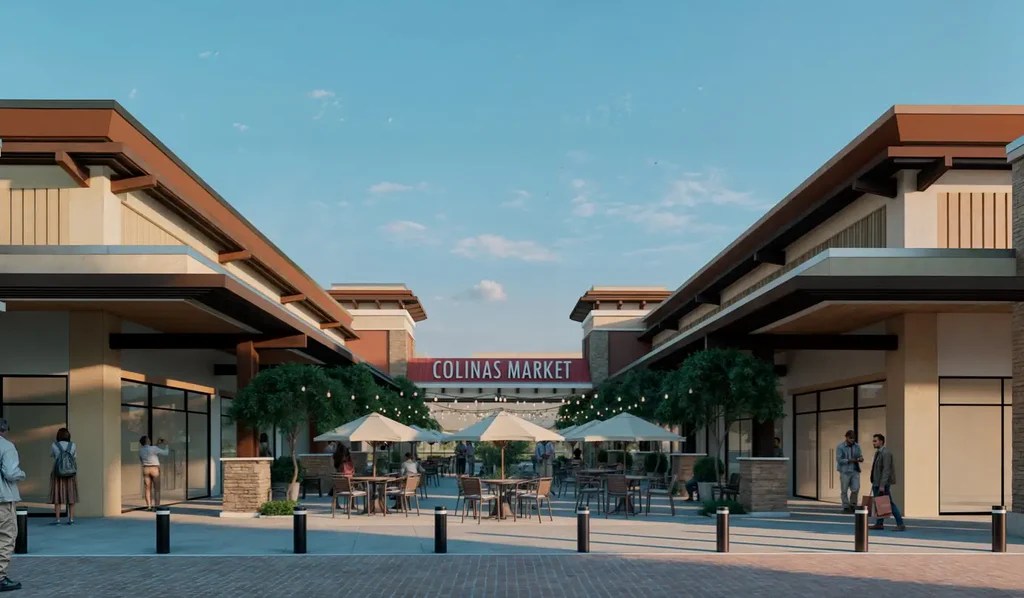
Emerging trends in commercial architecture include the rise of co-working spaces and the adaptive reuse of older buildings. These trends reflect shifting market demands and the desire for more flexible and collaborative work environments. Additionally, technology is transforming commercial building designs and operations, with the integration of smart technologies enhancing efficiency and user experience.
The global commercial architecture market is expected to grow significantly, driven by increased demand for sustainable and innovative building designs, with projections indicating a rise of over 10% annually over the next five years.
Case Studies of Iconic Commercial Buildings
Landmark commercial buildings often exhibit remarkable architectural significance and serve as cultural icons. Examples include the Empire State Building in New York, known for its Art Deco design, and the Burj Khalifa in Dubai, recognized for its modern engineering marvels. Each case study reveals the design processes and challenges faced during construction.Comparing different iconic buildings demonstrates successful architectural strategies. For instance, both the Sydney Opera House and the Louvre Pyramid showcase unique structural designs that enhance their functionality while becoming tourist attractions in their own right.
The Future of Commercial Building Architecture
Anticipated changes in commercial architecture will primarily result from evolving market demands, including the push for more adaptable and resilient spaces. The integration of smart building technologies is expected to play a significant role in shaping the future of commercial environments, enhancing safety, and energy efficiency.Potential innovations and practices likely to dominate commercial architecture in the next decade include:
- Increased use of artificial intelligence for design and operational efficiency.
- Enhanced modular construction techniques for faster build times.
- Greater focus on biophilic design principles to connect occupants with nature.