Introduction to Residential Architecture: Residential Architecture Design Ideas
Residential architecture design ideas – Residential architecture refers to the design and construction of spaces intended for people to live in. This field is significant in modern living as it combines functionality with aesthetic appeal, creating homes that cater to the needs and lifestyles of their occupants. Over the years, residential design has evolved, reflecting cultural shifts, technological advancements, and changing preferences in lifestyle.Historically, residential architecture has undergone numerous transformations.
From the simple, utilitarian homes of early civilizations to the ornate designs of the Victorian era, each style tells a story of the time it represents. Key elements that characterize effective residential architecture include harmony with the environment, a focus on human-scale proportions, and a thoughtful approach to both interior and exterior spaces.
Popular Residential Architecture Styles
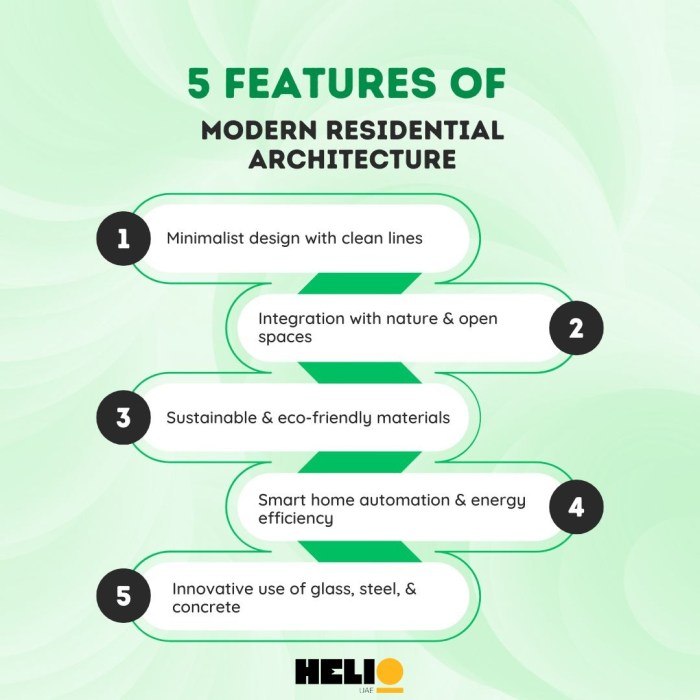
There are various architectural styles that have gained popularity over the years, each with its unique characteristics. Understanding these styles provides insight into how culture and environment influence design.
- Colonial: Known for its symmetry and classic proportions, Colonial architecture features centered front doors and evenly spaced windows. It often incorporates brick or wood siding, reflecting the materials available during its heyday.
- Victorian: This style is characterized by intricate detailing, vibrant colors, and asymmetrical shapes. Victorian homes often feature towers, turrets, and decorative trim, showcasing craftsmanship from the 19th century.
- Craftsman: Originating in the early 20th century, Craftsman homes emphasize handcrafted elements, natural materials, and open spaces. They often feature low-pitched roofs, exposed beams, and built-in furniture.
In contrast, modern architectural styles have emerged, such as:
- Minimalism: This style focuses on simplicity and functionality, often using a limited color palette and clean lines to create a sense of calm and space.
- Mid-century Modern: Emphasizing integration with nature, this style features large windows, open spaces, and a connection between indoor and outdoor environments.
- Contemporary: Contemporary architecture is ever-evolving, often reflecting current trends and technologies while incorporating sustainable practices.
Regional styles also play a crucial role in residential architecture. For example, Mediterranean homes often feature stucco exteriors, red-tiled roofs, and arched doorways, while Cape Cod homes are known for their steep roofs and dormer windows, designed to withstand harsh weather.
Sustainable Design in Residential Architecture
Sustainable design principles focus on reducing the environmental impact of buildings while enhancing the quality of life for occupants. As the importance of sustainability grows, so does the need for residential designs that incorporate eco-friendly practices.
- Green Building Materials: Utilizing sustainable materials such as reclaimed wood, bamboo, and recycled metal can significantly reduce a home’s carbon footprint.
- Energy-Efficient Systems: Implementing energy-efficient appliances, solar panels, and proper insulation helps minimize energy consumption and lower utility bills.
- Water Conservation: Features such as rainwater harvesting systems and drought-resistant landscaping contribute to water conservation efforts.
Space Planning and Layout Ideas, Residential architecture design ideas
Effective space planning is essential for maximizing the functionality of residential areas, especially in smaller homes. By employing strategic design techniques, homeowners can create inviting and practical spaces.
- Maximizing Small Areas: Techniques such as multi-functional furniture and open shelving can help utilize limited space efficiently.
- Open Floor Plans: These layouts promote a seamless flow between spaces, making homes feel larger and more connected.
- Zoning Strategies: Dividing spaces into zones for specific activities, such as relaxation, work, and dining, enhances functionality and organization.
Interior Design Elements in Residential Architecture
Interior design plays a vital role in enhancing the appeal and functionality of residential spaces. Key elements include:
- Color Schemes: The choice of colors can significantly affect mood and perception within a space. Warm colors create a cozy atmosphere, while cool colors can evoke a sense of calm.
- Furniture Arrangement: Thoughtful placement of furniture can enhance space perception and flow, making rooms more inviting and functional.
- Lighting Design: Proper lighting can dramatically change the ambiance of a home. Natural light, complemented by strategic artificial lighting, enhances comfort and usability.
Outdoor Spaces and Landscaping Ideas
Creating functional outdoor living areas can extend the usable space of a home. Well-designed outdoor spaces enhance the overall experience of a residence.
- Functional Outdoor Areas: Design concepts may include patios, decks, and outdoor kitchens that encourage outdoor living and entertaining.
- Landscaping Elements: Incorporating native plants, trees, and shrubs can enhance the beauty of a home while promoting biodiversity and sustainability.
- Water Features: Elements like ponds, fountains, or waterfalls add visual interest and tranquility to outdoor spaces.
Technology Integration in Residential Design
The rise of technology has transformed residential design, leading to the creation of smart homes. These homes incorporate various technologies to enhance convenience, security, and energy efficiency.
- Smart Home Technologies: Devices such as smart thermostats, lighting systems, and appliances allow homeowners to control their environment remotely.
- Security Systems: Modern security technologies, including video surveillance and smart locks, provide heightened security and peace of mind.
- Home Automation: Integrating automation systems can lead to significant energy savings by optimizing energy use based on occupancy and preferences.
Budgeting and Cost Considerations
Budgeting for residential architecture projects is crucial for ensuring successful implementation without financial strain. Understanding costs from the outset helps homeowners make informed decisions.
- Estimating Costs: Consider factors such as materials, labor, and design fees when estimating project costs.
- Prioritizing Design Elements: Identifying essential features and focusing on them can help maintain a budget while still achieving design goals.
- Financing Options: Exploring financing options, such as home equity loans or government grants, can provide necessary funding for construction or renovation.
Case Studies of Innovative Residential Designs
Examining successful residential architecture projects can provide valuable insights into innovative design practices.
- Award-Winning Projects: Highlighting notable designs showcases creativity and excellence in residential architecture.
- Lessons Learned: Each project provides lessons on effective design principles and the importance of community involvement.
- Impact on Sustainability: Unique designs can contribute to environmental sustainability and enhance community identity.
Future Trends in Residential Architecture
As society evolves, so does residential architecture. Emerging trends reflect changing lifestyles and technological advancements.
- Emerging Trends: Trends such as co-housing, adaptive reuse, and biophilic design are shaping the future of residential spaces.
- Societal Changes: Increased urbanization and a focus on work-life balance are influencing residential design to accommodate new living arrangements.
- Technology’s Influence: Innovations in materials, construction techniques, and smart home technologies continue to redefine how we design and live in our homes.