Definition of Sustainable Architecture Design
Sustainable architecture design is a concept that focuses on creating buildings and environments that are not only functional and aesthetically pleasing but also environmentally responsible and resource-efficient. This approach to architecture promotes harmony between the built environment and nature, prioritizing the well-being of future generations.The importance of sustainable architecture in contemporary construction cannot be overstated. As global awareness of climate change and resource depletion grows, the need for sustainable practices in building design becomes critical.
Key principles that govern sustainable architecture include minimizing energy consumption, optimizing resource use, and ensuring a healthy indoor environment. These principles guide architects and builders in developing structures that positively impact both people and the planet.
Materials Used in Sustainable Architecture, Sustainable architecture design
Renewable and recycled materials play a significant role in sustainable architecture. Utilizing these materials not only reduces the environmental impact of construction but also promotes a circular economy.
- Renewable materials: These include resources like bamboo, cork, and reclaimed wood. Bamboo, for instance, grows rapidly and is highly durable, making it an excellent choice for flooring and structural elements.
- Recycled materials: Common examples are recycled steel and glass. These materials can be repurposed in various applications, from structural components to decorative finishes, thus reducing waste and conserving natural resources.
- Locally sourced materials: By using materials that are obtained nearby, architects can minimize transportation emissions and support the local economy. This practice also ensures that the materials are better suited to the local climate and culture.
Energy Efficiency in Sustainable Buildings
Enhancing energy efficiency in architecture involves implementing various strategies that reduce energy consumption while maintaining comfort and functionality.
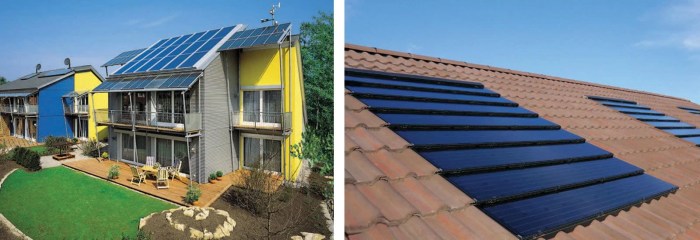
- Incorporating renewable energy sources: Solar panels, wind turbines, and geothermal systems can be integrated into building designs to provide clean energy and reduce reliance on fossil fuels.
- Passive solar design: This approach utilizes natural sunlight for heating and cooling, significantly lowering energy demands. Proper window placement and thermal mass materials can enhance this effect, leading to reduced energy consumption.
Water Management in Sustainable Architecture
Effective water management is crucial in sustainable architecture, ensuring that water resources are used wisely and conserved.
- Rainwater harvesting: Techniques such as collecting rainwater from roofs can be implemented to supply water for irrigation and non-potable uses.
- Greywater recycling: This system allows for the reuse of water from sinks and showers in toilets and irrigation, reducing overall water demand.
- Landscape designs: Employing xeriscaping and native plant species can minimize irrigation needs and promote biodiversity.
Indoor Environmental Quality
Maintaining high indoor environmental quality is essential for occupant health and well-being.
- Natural ventilation: Utilizing windows and vents to encourage airflow helps improve indoor air quality by reducing pollutants and moisture.
- Non-toxic materials: Choosing low-VOC and environmentally friendly materials minimizes harmful emissions, creating healthier living and working spaces.
- Maximizing natural lighting: Strategic placement of windows and skylights not only reduces reliance on artificial lighting but also enhances mood and productivity.
Community and Social Impact
Sustainable architecture significantly contributes to community well-being by creating spaces that are inclusive and beneficial for all residents.
- Community-driven initiatives: Projects that involve local stakeholders often lead to designs that resonate with the community, reflecting their needs and aspirations.
- Public spaces: Sustainable architectural projects often incorporate parks and communal areas that encourage social interaction and promote a sense of community.
Case Studies of Successful Sustainable Architecture
Numerous renowned sustainable buildings serve as examples of innovative design and construction techniques.
- The Bullitt Center: Located in Seattle, this building is designed to be one of the greenest commercial buildings in the world, featuring a rainwater harvesting system and solar panels.
- The Edge: In Amsterdam, this office building utilizes cutting-edge technology to enhance energy efficiency, including an advanced shading system that minimizes heat gain.
Future Trends in Sustainable Architecture
Emerging technologies are set to play a pivotal role in shaping the future of sustainable design.
- Smart building technologies: These systems integrate sensors and automation to optimize energy use, enhancing efficiency and reducing environmental impact.
- Climate-responsive design: As climate change continues to affect weather patterns, future architectural practices will need to adapt designs to ensure resilience and sustainability.